
Great! Here’s a well-structured plan for your 2300-word article on jun
Juniper is more than just a shrub growing in dry, rugged landscapes. It’s a powerful botanical with centuries of practical, medicinal, and culinary uses. From traditional remedies to modern wellness products, juniper has earned its place in households, skincare routines, and even distilleries. But what exactly makes juniper so versatile?
In this guide, we’ll walk through everything you need to know about juniper: its types, benefits, uses, and significance across cultures. Whether you’re a gardener, herbalist, or curious reader, this guide will offer grounded, accurate information focused on real-life applications—not exaggerated claims.
🌿 What Is Juniper? A Brief Overview
Juniper refers to the evergreen shrubs and trees in the Juniperus genus, part of the cypress family (Cupressaceae). These hardy plants are mostly native to the Northern Hemisphere and can grow in a wide range of climates—from dry deserts to cold mountainous regions.
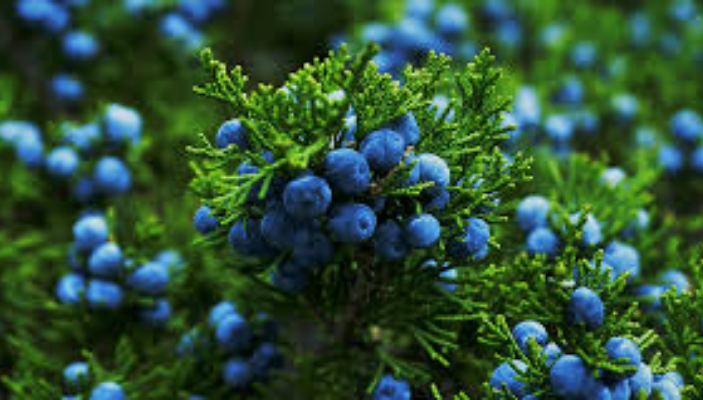
They are known for their needle-like or scale-like leaves and small berry-like cones. The most common and widely recognized is the juniper berry, famously used to flavor gin and produce essential oils.
🌱 Common Types of Juniper Plants
There are more than 60 known species of juniper, but here are the most common ones with real-world uses:
1. Juniperus communis
- Found in North America, Europe, and Asia.
- Produces edible berries used in food and herbal medicine.
2. Juniperus virginiana (Eastern Red Cedar)
- Native to the eastern U.S.
- Popular in woodworking and used for its aromatic wood.
3. Juniperus horizontalis (Creeping Juniper)
- A ground-hugging variety often used in landscaping.
- Known for its drought tolerance and visual appeal.
4. Juniperus scopulorum (Rocky Mountain Juniper)
- Common in the western U.S.
- Used in ornamental gardens and traditional healing.
🌸 Historical and Cultural Significance
Juniper has been part of human culture for centuries. Here’s how it has been appreciated across time:
- Ancient Egyptians used juniper oil in rituals and embalming.
- Greek physicians wrote about its healing potential.
- Native American tribes burned juniper branches for spiritual cleansing.
- In European traditions, juniper branches were used to ward off evil spirits and disease.
The widespread use of juniper in ancient cultures demonstrates its deep-rooted symbolic and practical value.
🍃 Medicinal and Wellness Applications
Juniper isn’t just folklore. Modern science supports several of its traditional uses, although more research is still needed for broader claims.
1. Anti-inflammatory Compounds
Juniper contains bioactive compounds such as flavonoids and essential oils that may help reduce inflammation.
2. Support for Digestive Health
Juniper berries have been used traditionally to relieve bloating and aid digestion. They may stimulate appetite and improve gastric motility.
3. Natural Antioxidant Source
Juniper berries contain high levels of antioxidants, which can help protect the body from oxidative stress.
4. Mild Diuretic Properties
Historically, juniper was used to help the body eliminate excess water and toxins through urination.
⚠️ Note: While juniper is generally safe in small doses, excessive consumption—especially of essential oil—can be toxic. It’s always best to consult a qualified professional.
🌾 Culinary Uses of Juniper Berries
Juniper berries have a bold, piney flavor and are widely used in cooking, especially in European cuisine.
Popular Dishes That Use Juniper:
- Game meats (venison, duck, rabbit): Enhances earthy flavors.
- Sauerkraut: Adds aromatic depth.
- Gin: The essential botanical that gives gin its signature taste.
The berries are typically dried and crushed before use. They pair well with rosemary, thyme, garlic, and black pepper.
🪵 Non-Culinary Uses: Beyond the Kitchen
1. Essential Oils
Juniper essential oil is used in aromatherapy for relaxation, grounding, and even respiratory support.
2. Topical Skincare
The oil is also added to skincare products for its antibacterial and anti-acne effects.
3. Natural Cleaning
Due to its strong scent and antimicrobial properties, juniper oil is found in some natural cleaning products.
🌲 Landscaping and Gardening with Juniper
Juniper is a favorite in gardens and outdoor spaces for several reasons:
- Low maintenance: Thrives in poor soil and drought conditions.
- Versatile design: Available in upright, spreading, and cascading forms.
- Wildlife-friendly: Provides shelter and food for birds and small mammals.
Whether you want a privacy screen or ground cover, there’s likely a juniper variety for your needs.
🌐 Ecological Role of Juniper
Juniper plays a vital role in many ecosystems:
- Prevents soil erosion on slopes.
- Provides habitat for insects and animals.
- Helps restore degraded lands in arid regions.
Their resilience makes junipers useful in ecological restoration and landscape rehabilitation.
🧪 Scientific Studies on Juniper
Here are some peer-reviewed findings that support juniper’s value:
- Antimicrobial effects: Several studies show that juniper oil can inhibit the growth of bacteria and fungi.
- Blood sugar management: Animal studies suggest that juniper extract might help lower blood glucose, although human trials are limited.
- Liver protection: Some experimental research shows potential liver-supportive effects.
Keep in mind: These studies are early-stage. Juniper should not replace medical treatment.
🔍 Juniper vs. Cedar: Common Confusion
Many people confuse juniper with cedar due to similar appearances and overlapping names (e.g., Eastern Red Cedar). However, true cedars belong to the Cedrus genus and differ in:
- Leaf structure
- Wood scent
- Botanical classification
Juniper has scale-like leaves and distinct berry-like cones, while cedars have needle-like clusters.
🧼 DIY Recipes with Juniper
You don’t need to buy expensive products to enjoy the benefits of juniper. Here are simple recipes:
Juniper Berry Tea
- 1 tsp dried berries (crushed)
- 1 cup hot water
- Steep for 10 minutes
Helps support digestion and has a refreshing, piney flavor.
Juniper-Infused Oil
- Fill a jar with dried juniper berries and olive oil.
- Let sit in a warm, dark place for 2-3 weeks.
- Strain and use topically for sore muscles.
Safety and Precautions
While juniper is natural, that doesn’t mean it’s risk-free.
Who Should Avoid Juniper:
- Pregnant or breastfeeding women
- People with kidney issues
- Anyone on diuretics or diabetes medication
Juniper can interact with certain medications, and concentrated doses may cause irritation or organ stress. Always consult a healthcare provider before regular use.
Sustainability and Ethical Sourcing
If you plan to use juniper, choose products that are sustainably sourced. Overharvesting wild plants can disrupt ecosystems.
Look for:
- Certified organic or wild-harvested labels
- Brands that follow ethical collection practices
- Local growers who avoid chemical pesticides
Summary: Why Juniper Still Matters
Juniper has stood the test of time for good reasons. It’s practical, multifunctional, and deeply rooted in human culture. From food and medicine to gardens and ecosystems, its value goes beyond trends.
Used responsibly and respectfully, juniper can be a valuable ally in wellness, culinary arts, and natural living.
FAQs About Juniper
1. Are all juniper berries edible?
No, some species produce berries that are toxic. Only Juniperus communis is generally considered safe for culinary use.
2. Can I use juniper oil on my skin?
Yes, but it should be diluted in a carrier oil. Do a patch test first to avoid irritation.
3. Is juniper safe for pets?
Juniper can be toxic to pets if consumed. Avoid planting it in pet-accessible areas or consult your vet.
4. Where can I buy juniper berries?
You can find them in herbal stores, specialty spice shops, or online retailers. Look for organic and food-grade options.
5. How do I grow juniper at home?
Juniper thrives in well-drained soil and full sun. It needs little maintenance once established and works well in both gardens and pots.