

You know that moment when you make a huge pot of soup thinking, “I’ll totally eat this all week”, and then by day two, you’re staring at it like, “Nope, not again”? Yeah, been there. The good news? Freezing soup is your secret weapon against food fatigue and waste. But here’s the catch — not all soups freeze or reheat like a dream. Some turn into sad, mushy, separated messes that make you question all your life choices.
So, how do you freeze and reheat soup like a pro—without losing that comforting texture and flavor? Grab a spoon (and maybe a sense of humor), because we’re about to break it down step by step.
Why Freezing Soup is Basically a Superpower
Let’s be real — life gets hectic. Having a stash of homemade soup in your freezer is like having future-you say, “Don’t worry, I got this.”
Freezing soup isn’t just about convenience; it’s about saving time, money, and sanity. Whether you’re batch cooking, meal prepping, or just tired of watching fresh veggies die a slow death in your fridge, freezing soup is a total game-changer.
And FYI, it’s not just for lazy days. Freezing soup can also enhance the flavor because the ingredients continue to blend while resting. It’s like the soup version of beauty sleep. 🙂
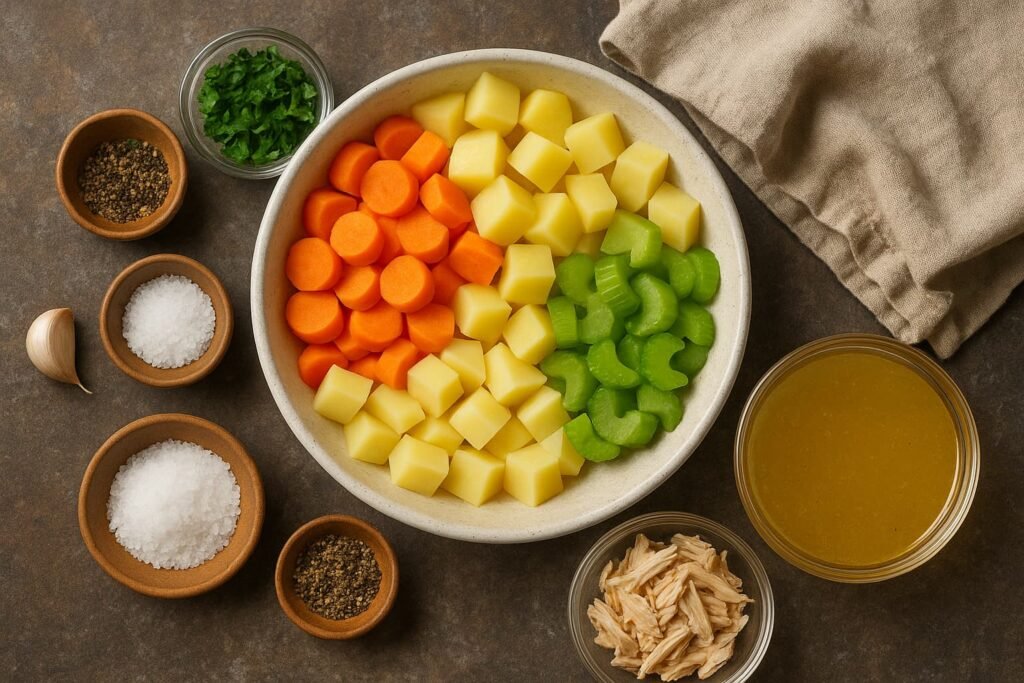
Step 1: Pick Soups That Freeze Like a Champ
Here’s the truth bomb — not every soup is freezer-friendly. Some turn into a science experiment when thawed. So before you toss that pot in the freezer, know which soups are your allies and which are your enemies.
Soups That Freeze Beautifully
- Broth-based soups: Chicken noodle (minus the noodles!), vegetable, or minestrone hold up great.
- Pureed soups: Think butternut squash, tomato bisque, or lentil soup — they reheat like magic.
- Bean soups: Hearty and thick, these freeze well and often taste better later.
Soups That Struggle in the Freezer
- Cream-based soups: Cream or dairy can separate and create a weird, grainy texture. (Ever seen soup curdle? Yeah, not pretty.)
- Soups with pasta or rice: These absorb liquid and turn mushy when reheated. The trick? Add the pasta or rice fresh when reheating.
- Soups with potatoes: They can get mealy and lose their smooth texture after freezing.
Pro Tip: If you know you’ll freeze part of your batch, hold off on adding dairy, noodles, or starchy veggies until reheating time.
Step 2: Cool Your Soup the Smart Way
So you’ve got this piping-hot pot of soup, and you’re tempted to shove it in the freezer right away because, well, adulting is hard. Don’t do it!
Freezing hot soup is like putting lava in your freezer—it’ll raise the temperature inside and mess up your other frozen goods. Instead, cool it down first.
The Right Way to Cool Soup
- Divide and conquer: Pour the soup into shallow containers for faster cooling.
- Use an ice bath: Set your pot in a sink filled with ice water and stir occasionally.
- Wait for room temperature: Don’t let it sit out for more than two hours though (food safety alert!).
Once your soup’s cooled down, you’re ready to move to the next step.
Step 3: Choose the Right Freezing Containers
You’d think any container would work, right? Nope. The wrong one can lead to freezer burn, weird smells, or a soup explosion (yes, that’s a thing).
Best Containers for Freezing Soup
- Freezer-safe plastic containers: They’re sturdy and stack easily. Leave some space at the top for expansion.
- Mason jars (with a twist): Use wide-mouth jars and don’t fill them to the brim. Liquid expands when frozen — and broken glass is not fun.
- Freezer bags: Lay them flat for easy stacking. Bonus: they thaw faster!
Label everything with the soup name and date. Trust me, in three months, you won’t remember if that’s chili or questionable stew.
Step 4: Freeze Like a Pro
Alright, your soup is cooled, portioned, and ready. Now, let’s freeze it right.
Freezing Tips That Actually Work
- Freeze in portions: Freeze in single servings for easy grab-and-go meals.
- Use the flat-bag trick: If you’re using freezer bags, lay them flat until frozen, then stack them vertically like soup “files.”
- Avoid air pockets: Air is the enemy of flavor. Remove as much air as possible to prevent freezer burn.
Shelf life? Most soups stay delicious for 2–3 months. Anything longer, and you risk flavor loss. (Not dangerous, just… disappointing.)
Step 5: Reheating Without Ruining It
Here’s where most people mess up. You can’t just nuke a frozen brick of soup and expect it to taste like grandma’s recipe. The key is to reheat slowly and smartly.
How to Thaw Soup the Right Way
- Fridge method (best option): Move the soup from freezer to fridge the night before. Slow thawing keeps the texture smooth.
- Cold water bath: Place the sealed bag or container in cold water for 30–60 minutes.
- Microwave method: Use the defrost setting if you’re in a hurry. Stir occasionally for even thawing.
Reheating Tips
- Stovetop: Heat on medium-low, stirring occasionally to prevent sticking or burning.
- Add a splash of broth or water: This brings back the soup’s consistency and flavor.
- Adjust seasoning: Freezing can dull flavors a bit — so add a pinch of salt, pepper, or herbs to revive it.
Avoid boiling after reheating, especially for dairy-based soups. Boiling can make them separate or taste off.
Step 6: Save Texture & Flavor Like a Boss
Ever reheated soup that looked fine but tasted… off? That’s because freezing can change flavor and texture slightly. But don’t worry, I’ve got your back.
Flavor-Saving Tricks
- Add fresh herbs or lemon juice: A squeeze of lemon or a handful of parsley can brighten dull flavors.
- Toss in new veggies: A few freshly sautéed carrots or celery chunks add crunch and color.
- Use a swirl of cream or cheese (at the end): If it’s a creamy soup, add dairy after reheating to keep it smooth and rich.
It’s all about refreshing your soup so it tastes like you just made it.
Step 7: Avoid the Rookie Mistakes
You’ve come this far — don’t ruin your masterpiece with rookie errors.
Common Soup Freezing Fails
- Overfilling containers: Liquids expand, so always leave an inch of space.
- Ignoring labels: Future-you will thank present-you for writing “Chicken Tortilla, Feb 2025.”
- Refreezing thawed soup: Just don’t. Once thawed, eat it within 3–4 days.
Oh, and pro tip — if you find a mysterious, unlabeled container in your freezer that predates your last vacation… maybe skip that one. 😉
Bonus: The Reheat-Refresh Combo
Here’s a secret: reheating soup isn’t just about warming it up — it’s about reinvigorating it.
Want to turn your reheated soup into a whole new meal? Try these tricks:
- Add cooked rice, pasta, or quinoa right before serving.
- Top it with croutons, shredded cheese, or a drizzle of olive oil.
- Swirl in a spoonful of pesto, sour cream, or yogurt for a flavor boost.
Boom. You just turned leftovers into something gourmet.
What Not to Freeze (Seriously, Don’t)
There are some things you should never, ever put in the freezer — unless you enjoy culinary disappointment.
Avoid Freezing:
- Soups with eggs: Scrambled textures after thawing are just… ew.
- Seafood soups: Most fish and shellfish lose their delicate flavor and turn rubbery.
- Soups thickened with cornstarch or flour: The texture changes dramatically when thawed.
If you love these types, make smaller batches so you can finish them fresh.
The Ultimate Soup Freezing Hack
Alright, want to feel like a total pro? Here’s a game-changer: Freeze soup cubes.
Just pour cooled soup into ice cube trays, freeze, and transfer the cubes to a freezer bag. Perfect for quick lunches, single servings, or when you just want a small portion.
Need a quick lunch? Pop a few cubes in a mug, microwave, and you’re golden. It’s like adult Lunchables — but with soup.
FAQs: Because You’re Probably Wondering…
Q: Can I freeze soup with cream or milk?
A: You can, but expect texture changes. The trick is to add the dairy after reheating.
Q: How do I avoid freezer burn?
A: Tight sealing and removing air are key. Also, don’t store it forever — eat within a few months.
Q: Can I reheat soup more than once?
A: Not a great idea. Reheat only what you’ll eat to keep it safe and tasty.
Final Thoughts: Soup Freezing Doesn’t Have to Be Rocket Science
Freezing and reheating soup like a pro isn’t hard — it just takes a little know-how (and patience). When done right, it’s one of the smartest ways to save time, reduce waste, and always have comfort food ready when you need it most.
Next time you whip up a pot of soup, stash some away for future you. You’ll thank yourself on that cold, lazy evening when cooking feels like a chore.
So go ahead — freeze smart, reheat like a pro, and enjoy soup that tastes just as good the second time around. FYI, your freezer just became your new best friend. 😉