Introduction
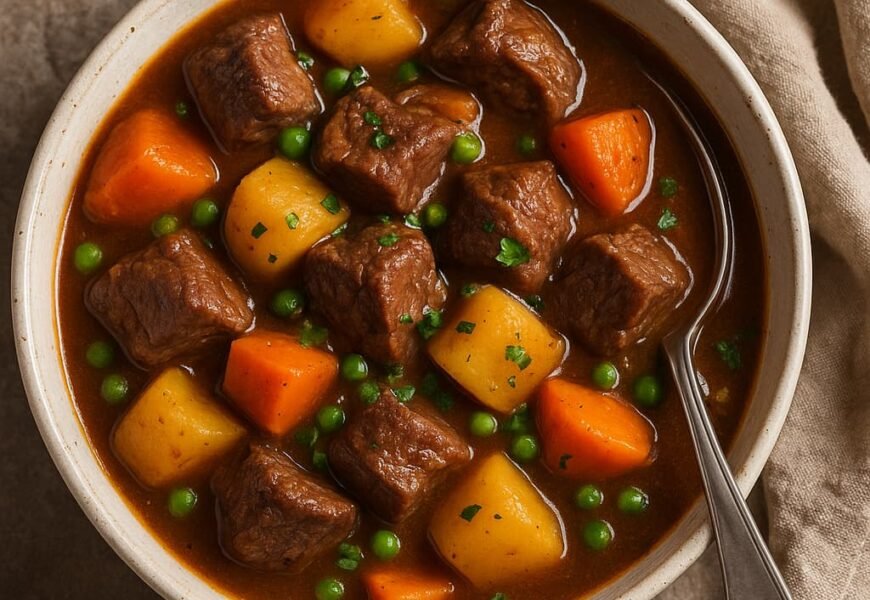
When it comes to hearty comfort food, beef stew stands out as a timeless classic. Whether simmered on the stove, cooked low-and-slow in the oven, or left to bubble away in a slow cooker, a great stew depends on one critical factor: choosing the best cuts of beef for stew.
Many people make the mistake of picking lean cuts, expecting tenderness, but in truth, stewing requires the opposite: tougher cuts with rich marbling and connective tissue. These cuts transform under long, moist cooking methods, delivering succulent, flavorful meat that falls apart with every bite.
This comprehensive guide will help you understand the top cuts of beef for stew, how to cook them properly, and insider tips for maximizing flavor.
Why Choosing the Right Beef Cut Matters
The success of a stew relies on the conversion of collagen into gelatin. Cuts with a high amount of connective tissue may seem tough when raw, but slow cooking breaks them down, creating a silky texture and deep flavor in your broth.
Using the wrong cut—like lean sirloin—can result in dry, chewy meat. Instead, you want well-marbled, tougher cuts from the shoulder, chuck, or shank.
The Best Cuts of Beef for Stew
1. Beef Chuck
- Why it works: Beef chuck, cut from the shoulder, is the gold standard for stew. It contains the perfect balance of fat, collagen, and flavor.
- Texture & taste: Rich and meaty, it becomes fork-tender after simmering.
- Cooking method: Slow cooker, Dutch oven, or stovetop braise.
2. Beef Round (Bottom Round or Top Round)
- Why it works: A leaner cut from the rear leg, round is affordable and easy to find.
- Texture & taste: Less marbled than chuck, but still tender with extended cooking.
- Best use: Ideal when you want a leaner stew without sacrificing too much flavor.
3. Beef Brisket
- Why it works: Known for barbecue, brisket also shines in stew. Its fatty layers and collagen melt beautifully into the broth.
- Texture & taste: Deep, beefy flavor with a silky finish.
- Cooking method: Low and slow—excellent for oven-braising.
4. Beef Shank
- Why it works: Cut from the leg, shank is full of bone marrow and connective tissue.
- Texture & taste: Produces a gelatin-rich broth and adds depth of flavor.
- Pro tip: Leave the bone in for an even richer stew base.
5. Short Ribs
- Why it works: Though pricier, short ribs are unbeatable for flavor and tenderness.
- Texture & taste: Buttery, fall-apart texture with bold beefiness.
- Best use: Perfect for special occasions or gourmet-style stews.
Comparison Table: Best Cuts of Beef for Stew
| Cut of Beef | Location on Cow | Marbling | Flavor Profile | Cooking Time | Best Use |
|---|---|---|---|---|---|
| Chuck | Shoulder | High | Rich, meaty | 2.5–3 hrs | Classic beef stew |
| Round | Rear leg | Low-Medium | Lean, mild | 3–4 hrs | Lighter stew |
| Brisket | Breast | Medium-High | Bold, fatty | 3–4 hrs | Oven-braising |
| Shank | Leg (with bone) | Low | Brothy, intense | 3–4 hrs | Bone-in stews |
| Short Ribs | Rib section | Very High | Buttery, intense | 3–4 hrs | Gourmet stews |
How to Cook Beef Stew Perfectly
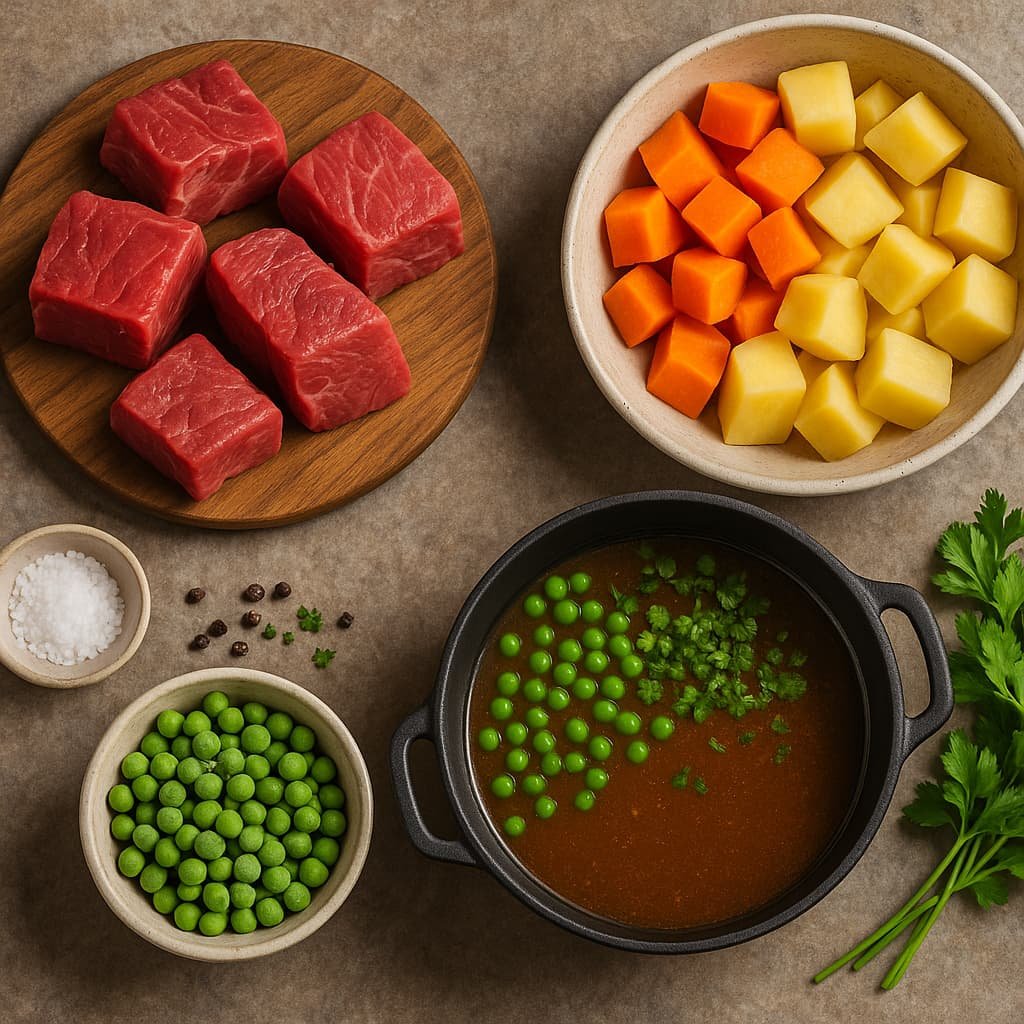
1. Sear the Beef First
Always brown your beef before simmering. The Maillard reaction creates deep, savory flavors that infuse the broth.
2. Low and Slow Cooking
Stew cuts require slow, moist heat to break down collagen.
- Stovetop: Gentle simmer for 2.5–3 hours.
- Oven: Bake at 300°F for 3–4 hours.
- Slow cooker: 6–8 hours on low.
3. Use Aromatics Generously
Onions, carrots, celery, garlic, and herbs (thyme, rosemary, bay leaves) enhance the broth.
4. Add Acid for Balance
A splash of red wine, tomato paste, or balsamic vinegar balances the richness of the beef.
5. Thicken the Broth
For a hearty consistency, dust beef cubes lightly with flour before searing, or reduce the liquid after cooking.
Pro Tips for Flavorful Beef Stew
- Choose bone-in cuts (like shank or short ribs) to enrich the broth with marrow.
- Cut meat into uniform cubes (1.5–2 inches) for even cooking.
- Let stew rest overnight—flavors deepen after a day in the fridge.
- Use stock instead of water for a richer base.
- Don’t rush—tenderness comes only with time.
Common Mistakes to Avoid
- Using lean cuts like sirloin or tenderloin—they dry out quickly.
- Cooking at high heat—this makes beef tough.
- Skipping the sear—you’ll lose depth of flavor.
- Overloading the pot—crowding prevents proper browning.
Variations Around the World
Beef stew takes on unique flavors worldwide:
- French Beef Bourguignon: Chuck simmered in red wine with mushrooms.
- Irish Stew: Often made with beef or lamb, flavored with stout.
- Hungarian Goulash: Chuck or shank, spiced with paprika.
- Japanese Nikujaga: Thinly sliced beef simmered with soy, mirin, and vegetables.
Final Thoughts
The secret to an unforgettable stew lies in choosing the best cuts of beef for stew and cooking them low and slow. Beef chuck, brisket, round, shank, and short ribs each bring unique textures and flavors to the table. By pairing the right cut with proper technique, you can transform humble ingredients into a deeply satisfying meal.